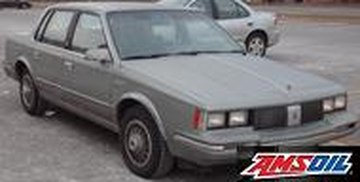
Maintaining Lubrication Integrity for the 1982 Oldsmobile CIERA 2.5L
Proper engine care for a vehicle of this era requires a focus on consistent monitoring and proactive inspection. For an owner of a 1982 Oldsmobile CIERA equipped with the 2.5L engine, maintaining the lubrication system is a fundamental aspect of long-term mechanical health. Because older engines rely heavily on the quality and cleanliness of their fluids, establishing a reliable service routine is essential for preventing unnecessary wear and ensuring the vehicle remains operational.Monitoring Fluid Condition and Consumption
One of the most effective ways to monitor the health of the 2.5L engine is through regular observation of fluid levels and the physical condition of the oil itself. Rather than waiting for a warning light or a mechanical symptom, an owner should periodically check the dipstick to ensure the lubricant level remains within the appropriate range. When inspecting the oil, look for changes in color or texture. While oil naturally darkens over time due to use, an extremely rapid change in appearance can be a sign that something requires investigation. Furthermore, if you notice that the vehicle requires more frequent top-offs than usual, this may indicate an issue with how the engine is managing its lubricant. It is important to remember that changes in consumption or appearance can have multiple causes; therefore, any significant deviation from normal behavior should be investigated by a qualified technician to determine the underlying reason.Observing Potential Warning Signs
While many lubrication issues develop slowly, certain symptoms warrant immediate attention. If you notice any visible fluid seepage around the engine area, it is important to identify the source. Seepage can occur at various points where gaskets or seals meet, and even small amounts of moisture can indicate that a component is beginning to lose its ability to contain fluids effectively. Beyond external leaks, pay attention to how the engine behaves during operation. Unusual mechanical noises that coincide with engine startup or changes in engine smoothness may be related to the lubrication state. Additionally, if you observe any unusual exhaust smoke, this could be an indicator of how the engine is processing its internal fluids. Because these symptoms can stem from a wide variety of mechanical sources, they should be treated as prompts for a thorough inspection rather than definitive proof of a specific part failure.Prioritizing Maintenance Through Condition-Based Inspection
As vehicles age, maintenance strategies often shift from strictly following a calendar to focusing on the actual condition of the components. For the 1982 Oldsmobile CIERA, this means prioritizing tasks based on what you observe during routine checks. If you have access to previous service records, reviewing them can help establish a baseline for how the vehicle has been treated in the past. If maintenance history is unavailable, your first priority should be to establish a new baseline. This involves documenting current fluid levels, noting any existing minor leaks, and recording the general condition of visible engine components. Once this baseline is set, you can more easily identify when a component is actually changing or when a service is truly necessary. Rather than replacing parts simply because they are old, focus on addressing active signs of wear or overdue maintenance tasks that have been identified through your own observations.Inspecting Aging Engine Components
A thorough inspection of the engine bay can reveal much about the vehicle's current needs. When performing routine checks, it is useful to look at various age-sensitive areas:- Gaskets and Seals: Inspect accessible gaskets and seals for signs of seepage or weeping. Even if a leak is not currently dripping, a "wet" appearance around a seal can indicate that the material is aging.
- Hoses and Connections: If present, inspect engine hoses for signs of cracking, softening, or bulging. Ensure that any electrical connections near the engine remain secure and free from excessive corrosion.
- Drive Belts: If the engine is equipped with accessible drive belts, check them for evidence of glazing, fraying, or surface cracking.
- Air Filtration: A clean air filtration system is vital for preventing contaminants from entering the combustion process, which in turn helps keep the engine oil cleaner for longer periods.
The Role of Clean Lubrication in Engine Longevity
The primary function of engine oil is to provide a consistent layer of protection between moving internal parts. In any engine, the lubricant must manage heat and reduce friction effectively. Over time, as oil is used, it can accumulate contaminants or undergo chemical changes that affect its ability to perform these tasks. Maintaining clean oil is not just about preventing sludge; it is about ensuring that the fluid retains its intended properties throughout its service life. This includes maintaining thermal stability and providing adequate protection during the critical moments of engine startup. Consistent attention to oil changes and filter replacements ensures that the internal environment remains as clean as possible, which is a key factor in the long-term health of the 2.5L powerplant.Practical Guidance for Buying Engine Oil for your 1982 Oldsmobile CIERA 2.5L
When it is time to replenish your engine's lubricant, the most important step is to ensure that the product you select matches the specific requirements of your vehicle. Do not rely on general assumptions about what an older car might need; instead, match the engine oil to the application-specific viscosity information already displayed on this webpage. When shopping for products, consider the following:- Verify the Label: Always check the product packaging to ensure it meets the necessary quality standards and certifications required for your specific application.
- Evaluate Formulations: Depending on your engine's current condition and mileage, you may encounter various options such as conventional, synthetic blends, or full synthetic oils. Some high-mileage oil formulations also contain additives intended for use in aging engines, including seal-conditioning additives.
- Check the Viscosity: Ensure the SAE viscosity grade on the bottle is an exact match to the information provided in your vehicle's application data.